In my post, “Dark Data Centers: Dream or Reality?”, I discussed how dim data centers remain a sought-after solution for IT professionals and users, and an attainable design goal for most companies.
One of our readers requested examples of solutions which can help to achieve a dim data center. As such, here are some key things to consider:
1. Move supporting infrastructure (power and cooling) out of the computer room space. Doing so reduces the likelihood that people will need to have access to the most critical space and can accomplish their tasks (replace batteries on UPS, perform thermographic scanning, replace AC filters, etc.) outside of the critical environment.
2. Utilize appropriate remote IP and serial access tools to control servers and network devices, including virtual disk interface technologies such that media can be installed remotely.
3. Install remote monitoring hardware and software to provide remote ‘snapshots’ as well as trending of the power and environmental performance of the space.
Hyperconvergence eBook
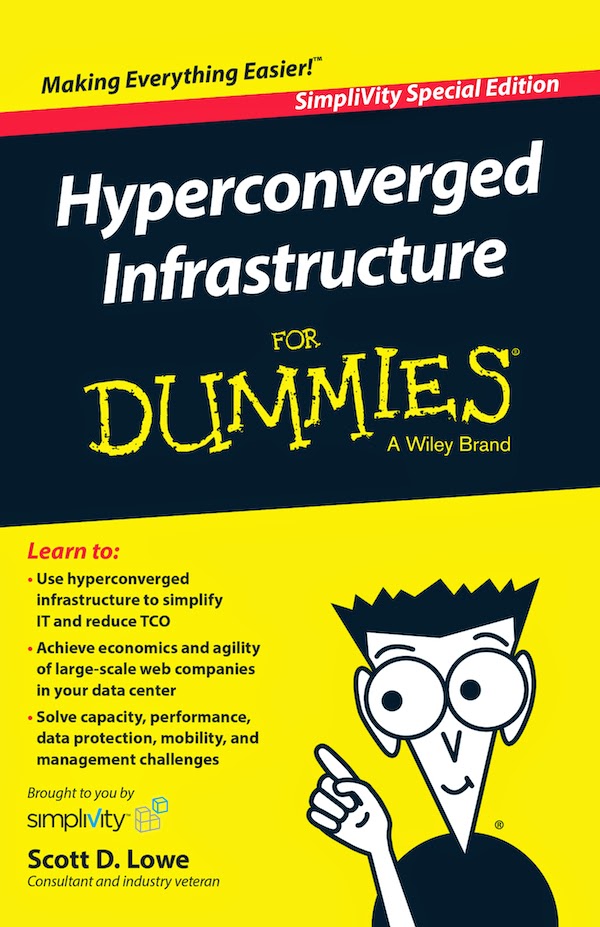
Download a free copy of Hyperconverged Infrastructure for Dummies (eBook in PDF format) by Scott D. Lowe. You may also view the associated pre-recorded webinar: Hyperconvergence for Dummies Q&A.
Subscribe To


 Posts
Comments
Posts
Comments
Popular Posts
-
A number of clients have asked us about the viability of replacing their ‘wet’ sprinkler systems with a dry-type fire suppression system, s...
-
Reopen with Confidence As the world enters the next phase of the pandemic, businesses are forced to make changes to accommodate not only a ...
-
 Audio/Visual technologies are dramatically improving the modern workplace. While traditional offices are changing rapidly, with open plan ...
 -
 There are many factors influencing how suitable a given data center is at meeting the needs of the organization that is utilizing it. ...
 -
 The average enterprise data center costs between $10 million and $12 million per megawatt to build, with costs typically front-loaded onto t...
 -
Why Make Data-Driven Decisions? For businesses, the importance of data analytics and business intelligence cannot be overstated. Small busin...
-
 It’s vital for companies to invest in data center operations that are simple in design, easy to operate, and minimize infrastructure neede...
 -
How can data center operators insulate themselves from the increasing risks posed by aging centralized power grids prone to outages and vuln...
-
 How Edge Data Center Solutions are Evolving for New End User Needs What You’ll Learn: Why do edge facilities require more customization? ...
 -
.jpg) PTS Data Center Solutions considers generators as a key to data center reliability. Supplementing a battery-based uninterruptible power sup...
PTS Data Center Solutions considers generators as a key to data center reliability. Supplementing a battery-based uninterruptible power sup...


